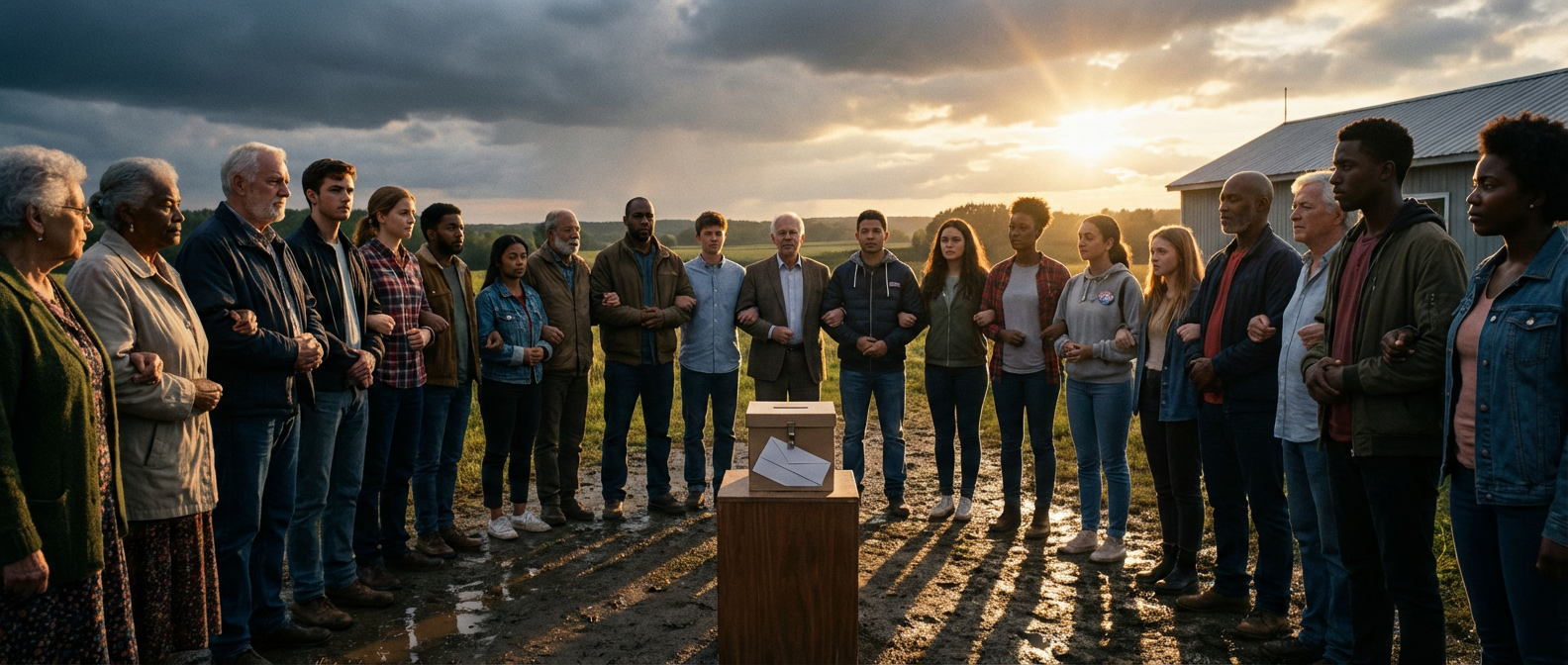
The Infrastructure of Democracy: How Voting Rights Protection Actually Works in Practice
Beyond the Headlines: Understanding the Mechanics of Voting Rights
When we talk about voting rights protection, the conversation often gets stuck in grand political theater. But the real work of safeguarding democracy happens in courthouse filing cabinets, state legislature committee rooms, and county election offices across the country. It’s a complex ecosystem of laws, institutions, and advocacy organizations that most citizens never see but absolutely depend on.
The foundation of voting rights protection rests on three connected pieces: federal constitutional guarantees, state election laws, and local administrative capacity. Each level operates with different tools and constraints. Federal protections provide broad prohibitions against discrimination and establish minimum standards. State laws determine the specific mechanics of elections, from registration processes to ballot design. Local administrators translate these requirements into the practical reality of running elections in thousands of jurisdictions nationwide.
This layered structure creates both redundancy and vulnerability. When one level fails to protect access, others can sometimes compensate. But it also means that systematic undermining at any level can cascade through the entire system. This explains why voting rights advocates often seem to fight battles on multiple fronts at once.

The Toolbox: Legal and Administrative Mechanisms
Federal voting rights protection operates through several distinct mechanisms, each designed for different types of challenges. Section 2 of the Voting Rights Act prohibits practices that have a discriminatory effect on minority voting, regardless of intent. This provision has been used to challenge everything from redistricting plans to polling place closures. The constitutional guarantees in the 14th and 15th Amendments provide broader protections against intentional discrimination and unequal treatment.
State-level protections vary wildly but often include automatic voter registration, extended early voting periods, and robust absentee ballot systems. Some states have constitutional provisions that go beyond federal minimums, creating additional legal grounds for challenging restrictive practices. California’s constitution, for example, explicitly protects the right to vote. States like Oregon have pioneered automatic registration systems that other states have copied.
Administrative protections focus on implementation and enforcement. The federal Help America Vote Act established minimum standards for voting equipment and accessibility. State election officials develop procedures for everything from poll worker training to ballot counting protocols. Local election administrators make thousands of daily decisions that affect voter access, from determining polling locations to managing voter registration databases.
The effectiveness of these tools depends heavily on enforcement mechanisms. Federal agencies can investigate violations and file lawsuits, but they have limited resources and often competing priorities. Private organizations like the ACLU, NAACP Legal Defense Fund, and state-specific advocacy groups file most voting rights litigation. This creates a system where protection depends significantly on the capacity and priorities of civil society organizations. That’s a fragile foundation.
Structural Pressures and Systemic Challenges
The American election system faces several structural pressures that complicate voting rights protection. Partisan polarization has transformed many voting procedures from administrative questions into political battlegrounds. Issues like voter ID requirements, mail-in ballot systems, and polling place locations now carry heavy partisan associations that make evidence-based policymaking more difficult.
Resource constraints create another set of challenges. Many local election offices operate on shoestring budgets, making it difficult to maintain updated equipment, train sufficient poll workers, or conduct adequate voter outreach. These resource limitations hit rural and low-income communities hardest, creating systematic disparities in election administration quality.
The federal structure of American elections creates coordination challenges that other democratic countries avoid. While federalism allows for innovation and local adaptation, it also creates opportunities for systematic exclusion. A voter’s experience can vary dramatically based not just on their state, but on their county, city, or even precinct. This variation makes it difficult to ensure consistent protection of voting rights across jurisdictions.
Technological changes add complexity. Electronic voting systems, voter registration databases, and online voter information platforms all create new opportunities for improving access while introducing new vulnerabilities. The challenge is harnessing technology’s benefits while maintaining security and preventing technological barriers from creating new forms of exclusion.
Innovation and Adaptation in Protection Efforts
Voting rights protection efforts have evolved significantly in response to changing challenges and opportunities. Litigation strategies now incorporate sophisticated data analysis to demonstrate discriminatory effects of voting procedures. Organizations like the Brennan Center for Justice have developed statistical methodologies for measuring the impact of various election policies on different demographic groups.
Administrative innovation has emerged as a key complement to legal strategies. States and localities have experimented with everything from mobile voting units for underserved communities to online voter registration systems that reduce barriers to participation. These innovations often start in progressive jurisdictions but can spread across partisan lines when they prove effective and popular.
Community organizing has become more sophisticated and data-driven. Modern voter protection efforts combine traditional grassroots organizing with digital tools for voter education, registration, and mobilization. Organizations can now track voting patterns at the precinct level, identify communities with historically low turnout, and develop targeted interventions to address specific barriers.
Nonpartisan approaches have gained prominence as a way to build broader coalitions for voting rights protection. Organizations like the League of Women Voters and Common Cause focus on procedural improvements that benefit all voters rather than particular political outcomes. This approach can be more effective at building sustainable support for election improvements across political divides.
Looking Forward: Sustainable Systems and Citizen Engagement
Democracy’s protection depends on building systems that are both resilient and adaptive. This requires moving beyond crisis-response mode to create proactive protections that anticipate new challenges. Strong state constitutional protections, well-funded election administration, and robust civic education create foundations that are harder to undermine than protections that depend solely on federal intervention or litigation.
Citizen engagement remains the ultimate safeguard for voting rights. An informed electorate that understands how elections work and demands high standards from election officials creates political incentives for maintaining and improving voting access. This engagement requires ongoing civic education that goes beyond partisan messaging to help citizens understand the practical mechanics of democratic participation.
The most effective voting rights protection efforts combine multiple approaches: strong legal frameworks, adequate administrative resources, innovative problem-solving, and sustained citizen engagement. No single strategy is sufficient, but together they create redundant protections that make the system more resilient against various forms of pressure or attack.
Understanding these structural dynamics helps citizens make more informed decisions about where to focus their advocacy energy. Whether that means supporting local candidates who prioritize election administration, volunteering for voter registration drives, or simply staying informed about election procedures in your community, effective civic engagement starts with understanding how the system actually works.