The Colorado River’s Reckoning: Why 2026 Negotiations Matter More Than You Think
A River Under Pressure, a Nation at a Crossroads
Here’s something that might surprise you: the Colorado River doesn’t actually belong to anyone, and at the same time, it belongs to everyone. For nearly a century, the river has been divided up through a series of agreements, laws, and court decisions that were never quite designed for the reality we’re facing now. The Bureau of Reclamation Colorado River Basin Water Supply and Demand reports that seven states, two countries, and more than thirty tribal nations collectively depend on a river system that’s overallocated by roughly 1.5 million acre-feet every single year. That’s not a minor accounting problem. That’s the structural crisis that will define American water politics for the next generation.
Starting in 2026, negotiators from Arizona, California, Colorado, Nevada, New Mexico, Utah, and Wyoming will gather alongside representatives from Mexico, the federal government, and dozens of tribal nations to renegotiate the operating guidelines that have governed the Colorado River since 2007. What happens in those negotiations won’t just affect whether your lawn stays green in Phoenix or whether Las Vegas’s fountains keep flowing. It will reshape how we think about federalism, tribal sovereignty, agricultural rights, urban growth, and environmental protection all at once. This is civics in real time, happening whether you’re paying attention or not.
Understanding the Numbers Behind the Crisis
Water policy can feel abstract until you remember that it’s about survival. Lake Mead, the massive reservoir serving Las Vegas and Southern California, hit its historic low of 1,040 feet above sea level in 2022. Water levels have partially recovered since then, but remained below 1,080 feet through late 2025, meaning the system has been operating under Tier 1 shortage conditions. When the water level drops to certain thresholds, mandatory cuts kick in. These aren’t theoretical reductions in planning documents. They’re real cuts to real water allocations that communities depend on.
The math is stark. Without renegotiated guidelines, research from the Pacific Institute Western Water Research estimates that mandatory cuts of 20 to 40 percent to agricultural users in the Lower Basin could begin by 2028. Agricultural users currently consume about 80 percent of the river’s water, so we’re not talking about minor trims. We’re talking about a fundamental reallocation of one of North America’s most critical water resources. This matters because agriculture in California, Arizona, and Nevada generates hundreds of billions in economic activity. It also matters because it will reshape which communities have secure water supplies and which ones face genuine uncertainty.
The 2023 Deal: What It Shows Us About Negotiation
Three years before the major 2026 negotiations begin, Arizona, Nevada, and California already pulled off something remarkable. In 2023, they reached a voluntary conservation agreement to cut three million acre-feet over three years in exchange for 1.2 billion dollars in federal Inflation Reduction Act funding. This wasn’t forced by law or court order. These three states sat down and made a deal because they understood that getting ahead of the crisis beat scrambling to respond to it.
Why did this deal happen when it did? California and Nevada were facing potential cuts anyway. Arizona had more to lose and more flexibility in how it could respond. By negotiating together, they created a path where federal funding could cushion the blow for agricultural communities while buying time for longer-term solutions. Did everyone get exactly what they wanted? No. Did they all understand that the alternative was worse? Yes. That’s how most difficult negotiations actually work in the real world.
The Tribal Nation Question: Rights, Recognition, and Reality
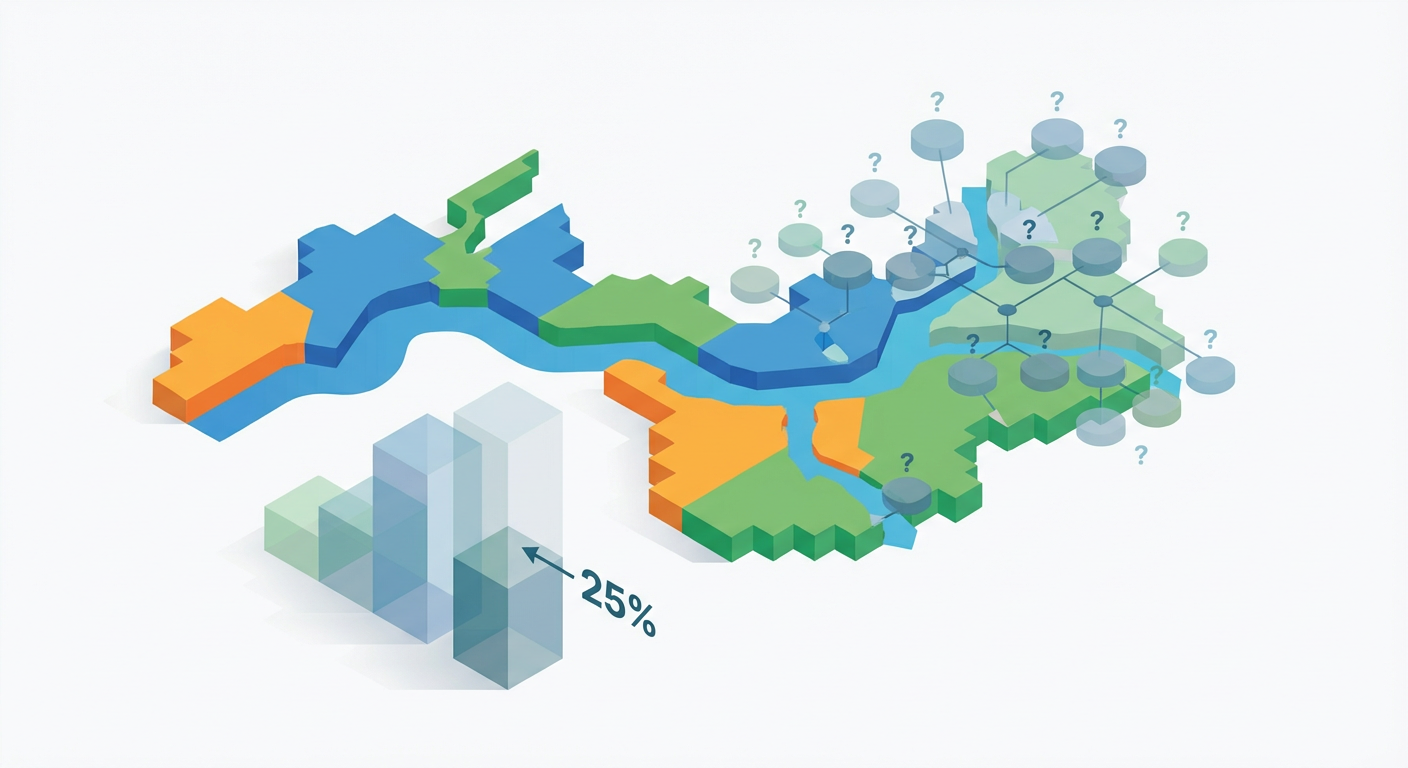
Here’s where the 2026 negotiations get genuinely complicated. A 2025 UCLA Law School report found that tribal water rights in the Colorado River Basin remain legally unresolved for 22 of the 30 federally recognized tribes in the watershed. These unresolved claims potentially represent about 25 percent of the total river’s flow rights. Think about that for a moment. Nearly a quarter of the Colorado River’s water supply has legal claims that haven’t been settled.
Tribal nations have the strongest legal claims to Colorado River water because many have ancestral and treaty rights that predate the entire state-based allocation system. Some tribes have already negotiated settlements. The Fort Yuma Quechan Nation, the Navajo Nation, and others have secured agreements recognizing their water rights. But many tribes remain in legal limbo, neither fully recognized nor fully excluded from the negotiations. The 2026 process will force the question that’s been deferred for decades: will the United States finally recognize and implement tribal water rights, which would require reducing allocations to states and agricultural interests? This isn’t just about water. It’s about whether indigenous nations have genuine sovereignty over their ancestral lands and resources.
What This Means for Your Community and Your Politics
The Colorado River negotiations might feel far away if you live on the East Coast. But the precedent being set will ripple through American politics for years. How do we allocate scarce resources when everyone has legitimate claims? How do we honor historical agreements when circumstances change? How do we balance environmental protection with economic development? How do we recognize indigenous sovereignty within a federal system? These same questions keep showing up in debates about Arctic drilling, public lands, endangered species, and infrastructure spending.
If you live in the West, the stakes are immediate. Your electric bill might change depending on how much water flows through the Hoover Dam. Food prices reflect the cost of irrigating crops in California and Arizona. Housing affordability in growing cities depends partly on whether developers can secure reliable water supplies. Military installations like Fort Huachuca in Arizona depend on Colorado River water. Every major Western city has skin in this game. Start paying attention to what the state representatives, tribal leaders, and federal officials involved are actually proposing. Read the plans. Attend public meetings if you can. Talk to your neighbors about what a fair allocation looks like to them. You have a stake in how this plays out and a voice in shaping the outcome.